The Rabdentse Ruins serve as a hauntingly beautiful reminder of Sikkim’s regal past. Located near Pelling in West Sikkim, this was the second capital of the former Kingdom of Sikkim from 1670 to 1814.
Key Highlights & Sightseeing
- The Three Chortens: You’ll see three stone stupas where the royal family used to offer prayers. These are the most well-preserved structures at the site.
- Namphogang: The stone throne of the Chogyal (King) is still intact. It consists of three standing stones where the King sat to deliver judgments.
- Palace Complex: Though in ruins, the foundations clearly show the layout of the royal residential quarters and the public courtyard.
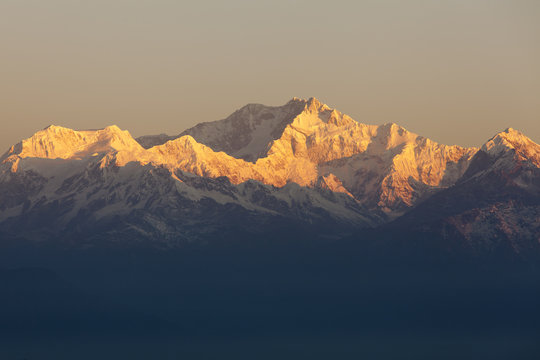
- Panoramic Views: The site offers one of the best views of Mt. Kanchenjunga and the deep valley below, as it was strategically built on a ridge for defense.
- Chestnut Forest Trail: To reach the ruins, you must walk through a scenic 15-20 minute paved path through a dense forest filled with rare orchids and chestnut trees.
Essential Travel Information
- Location: Walking distance (approx. 2 km) from Pemayangtse Monastery and Pelling.
- Entry Fee: Generally free for Indians; a small fee (approx. ₹50) may apply for foreigners.
- Timing: 8:00 AM – 5:00 PM.
- Best Time to Visit: March to May for greenery and October to December for the clearest views of the snow peaks.
Practical Tips
- Walking Shoes: The forest trail is easy but can be slippery during the monsoon. Wear comfortable shoes with a good grip.
- Birdwatching: The path to the ruins is part of the Sidkeong Tulku Bird Park, making it a hotspot for spotting local Himalayan birds.
- Photography: This is one of the most "Instagrammable" spots in Sikkim, especially the stone throne framed against the mountains.
- History Buffs: Since there aren't many signboards, reading up on the Sikkimese-Nepalese wars beforehand helps explain why the capital was eventually abandoned.