Pemayangtse Monastery is one of Sikkim’s oldest and most prestigious Buddhist monasteries, located near Pelling in West Sikkim at an elevation of 6,840 feet. It belongs to the Nyingma order of Tibetan Buddhism and was originally built for "ta-sang" (pure monks) of Tibetan lineage.
Key Highlights & Sightseeing
- Sangtok Palri: The monastery's crown jewel. It is a stunning seven-tiered wooden structure depicting the celestial palace of Guru Rinpoche. It was hand-carved by a single monk over five years.
- Ancient Artifacts: The main prayer hall houses exquisite thangkas (scroll paintings), antique idols, and precious manuscripts.
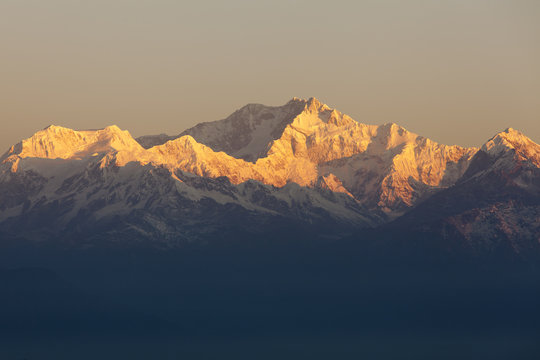
- Architecture: A classic example of Tibetan design with sloping roofs, ornate doors, and windows overlooking the Kanchenjunga range.
- Cham Dance (Festival): Every year on the 28th and 29th day of the 12th lunar month (usually February), monks perform masked dances to celebrate the Guru Dragmar festival.
Essential Travel Information
- Location: Just 2 km from Pelling and very close to the Rabdentse Ruins (the former capital of Sikkim).
- Entry Fee: Approximately ₹20 – ₹50 per person.
- Timing: 9:00 AM – 6:00 PM daily.
- Best Time to Visit:
- March to June: For clear skies and views of Mt. Kanchenjunga.
- September to November: For crisp autumn air and photography.
Practical Tips
- Dress Code: Dress modestly. Shoulders and knees should be covered, and you must remove your shoes before entering the main sanctum.
- Photography: Usually allowed in the courtyard, but strictly prohibited inside the main prayer hall and near the Sangtok Palri model.
- Combine Your Visit: Since it's so close, most people walk or drive from the monastery to the Rabdentse Ruins (a 15-minute walk through a forested path).
- Silence: Maintain a quiet demeanor as it is an active place of worship and study for monks.